


Rethinking AI in Education: Let the Children Play
- socialmediamarkqyhzf
- Jan 18, 2025
- 2 min read

The Current Paradox
We stand at a curious crossroads in education (and workforce development, and human-tech relations). Let's start with a conversation about how artificial Intelligence, perhaps the most transformative technology of our time, is being fitted into educational frameworks designed for our traditional education system. That's kind like putting an automatic transmission in Formula One car ... the driver is prevented from accessing the full potential of the vehicle.
While the potential to meet students where they are and cater to individual learning styles is promising, the most common applications of AI in education today focus on automating traditional teaching methods: personalized homework assignments, automated grading, and adaptive quizzes. While these applications have merit, they represent a fundamental misunderstanding of the opportunity before us.
Learning From How Children Learn

Think about how children first learn how to speak. They don't learn through formal instruction or carefully structured lessons. Instead, they learn through immersion, play, and fearless experimentation. They babble, make mistakes, create nonsense words, and gradually develop not just language skills but an intuitive understanding of language itself.
What if we approached AI literacy the same way?
A New Vision for AI in Education
Instead of treating AI as a delivery mechanism for traditional education and/or worrying about kids using ChatGPT to cheat on writing assignments, we should be creating environments for exploration and discovery. Imagine learning spaces where:
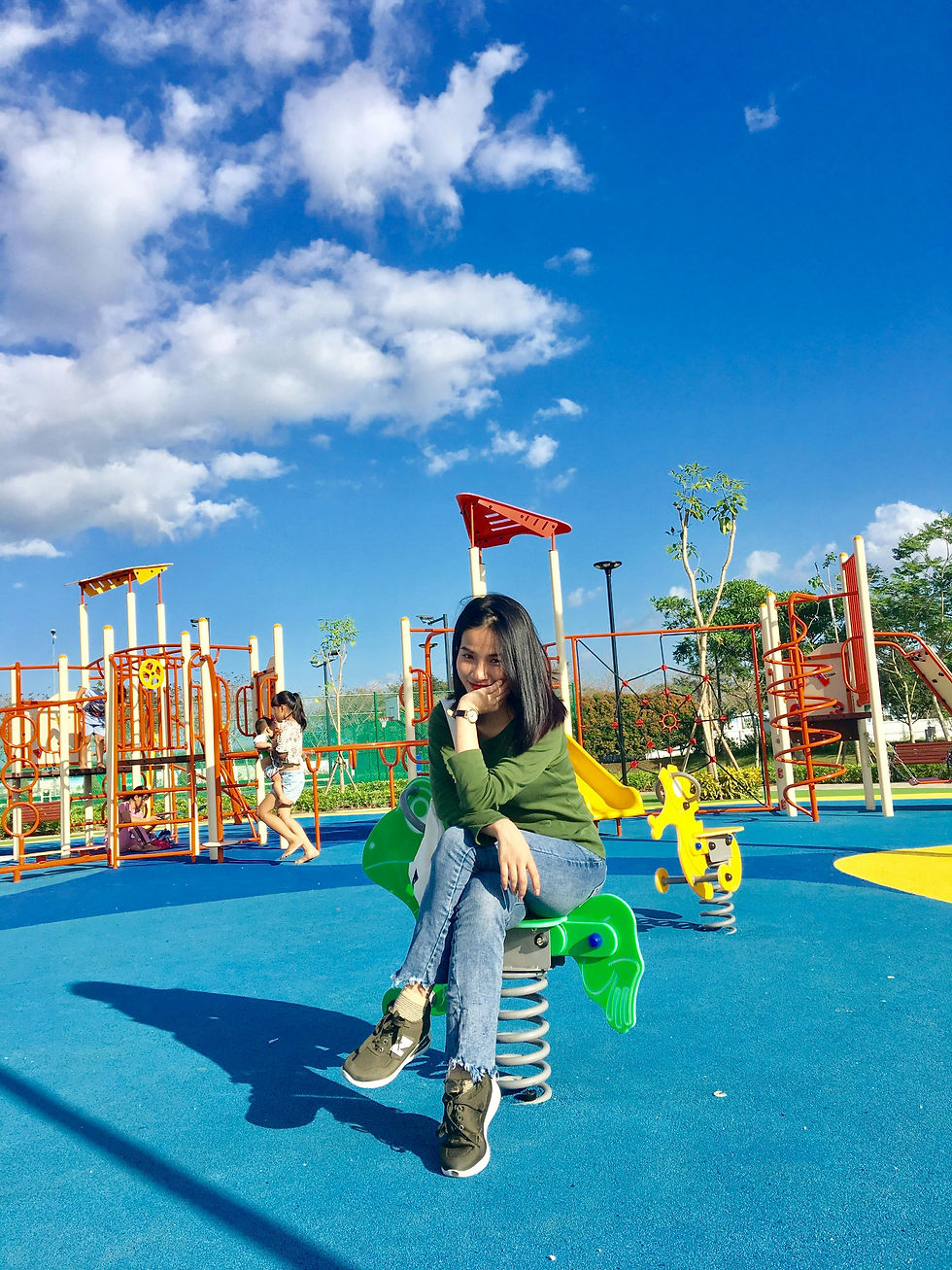
Students create images, videos, stories, games, worlds
Young learners design AI-powered games and tools for their peers, understanding AI capabilities through creation
Projects involve AI as a collaborator rather than just a tool, fostering an understanding of human-AI teamwork
Ethical questions emerge organically through hands-on experience rather than theoretical discussion
Children discover AI's capabilities and limitations through experimentation rather than instruction
This approach teaches not just AI use, but AI literacy - a deeper understanding of how these systems work, their strengths and weaknesses, and how to work with them creatively.
The Power of Unexpected Discovery
Children's natural ability to discover unexpected uses for the tools they're given is profound. Just as kids often find creative ways to use toys that adults never imagined, they might discover innovative applications for AI that we haven't considered.
The real unlock for a successful future is fostering a generation that thinks differently about what this new technology can be and do. Today's kindergarteners will graduate into a world where AI is as fundamental as electricity. More than instruction; they need intuition.
Moving Forward
The shift from AI as a teaching tool to AI as a learning environment is yet to be paved.
In our next post, we'll examine the challenges facing this vision: from technical infrastructure to teacher training to institutional resistance.
Remember some of the most profound learning happens through play, and perhaps that's exactly what human AI collaboration efforts need a dose of.

This is the first in a series exploring the future of leadership and education in the AI era.


Comments